A Future Worth Choosing
The future is shaped by what we make easier to understand, trust, build and choose.
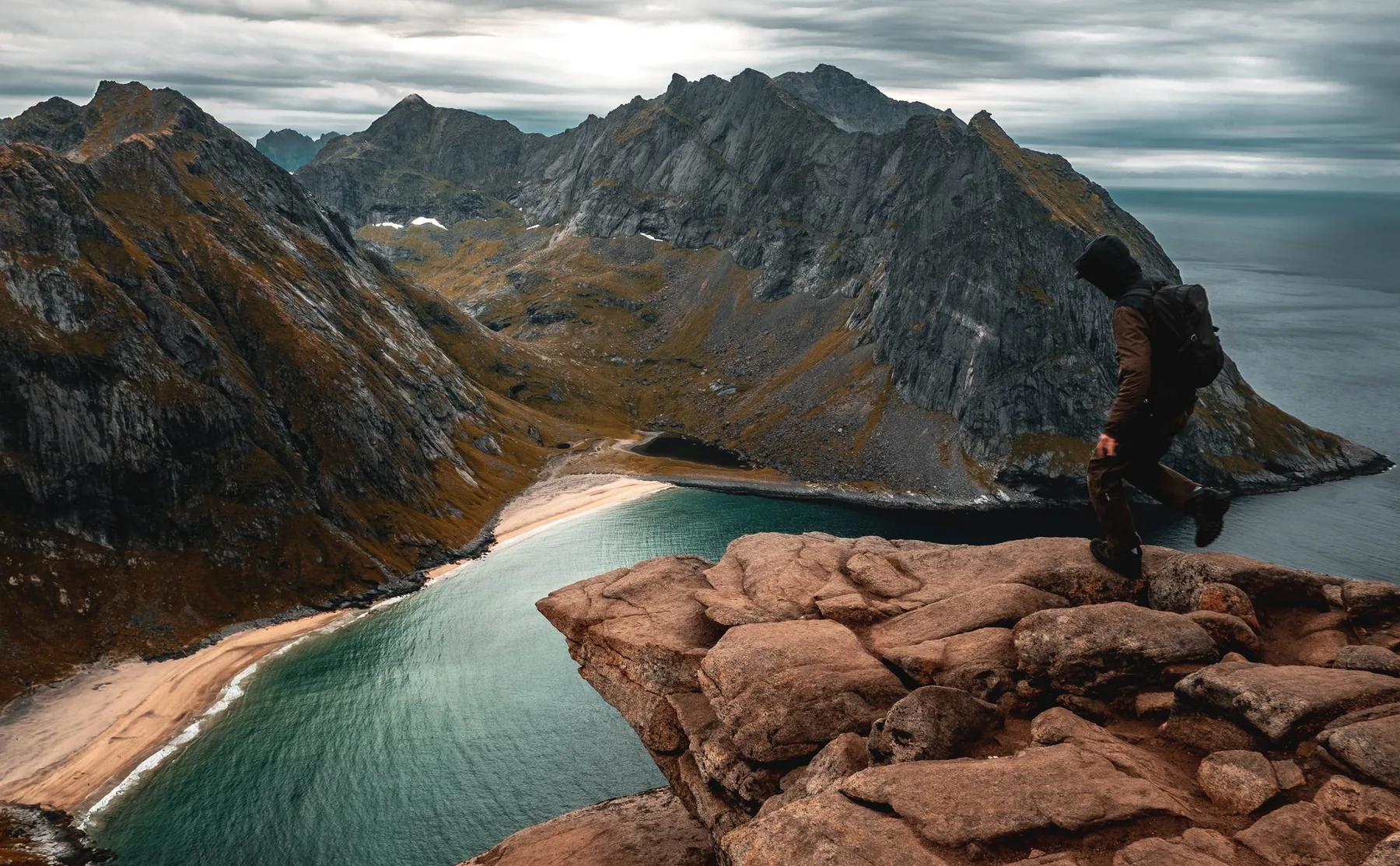
ODIN_ visual archive
Every person alive depends on the same extraordinary system.
It gives us food and water. It helps create the oxygen we breathe, regulates climate and supports every economy humans have ever built.
We call it nature.
Yet many of the systems we have built still weaken the living systems that keep us alive. That can sound like a reason for despair. I also see a design problem — and design problems can be worked on.
We are not short of intelligence
Humanity does not lack scientists, engineers, entrepreneurs, artists, organisations or people who care. We already know an extraordinary amount. Thousands of people are already solving parts of the problem.
What is often missing is connection.
Which problems matter most here? What is causing them? Which solutions already exist? What evidence says they work? Who is doing the best work? What is still missing? What happened after we acted?
When those answers are scattered across reports, databases and specialist communities, even good intentions can end in confusion.
Making ecological reality easier to see may be one of the most practical things we can build.
Information is necessary. It is not sufficient.
For years I carried a simple idea: information changes attitudes; attitudes change actions; actions change the world.
There is something true inside it, but the simple version is incomplete.
People have jobs, families, bills, habits, limited time and competing priorities. Price matters. Convenience matters. Trust matters. Social norms matter. A better choice that is impossible to find, afford or use is not much of a choice.
So my stronger hypothesis is this:
Trusted information can improve understanding. Better understanding can change motivation. Better choices spread when they are also attractive, accessible and useful in real life.
The goal is not to make everyone morally perfect. The goal is to make better outcomes easier to choose.
Better choices are designed
Most of the choices we make are shaped long before we arrive.
A shelf has already been stocked. A city has already been planned around certain forms of transport. A procurement system has already defined what counts as value. A search result has already decided what appears first.
Choice architecture is everywhere, whether anyone calls it that or not.
That means ecological progress cannot live only in the moment where an individual is told to behave better. It also belongs upstream: in products, defaults, prices, standards, infrastructure, information and incentives.
The strongest system is not the one that asks the most from people.
It is the one that makes a good decision increasingly natural to make.
Use what already works
There are already outstanding research institutions, field organisations, communities, companies and public agencies doing work that matters.
A new system should not replace them simply because it can.
If a field organisation knows a habitat better, support it. If a scientist maintains the best dataset, connect to the source. If someone already has a working solution, increase the chance that it gets used.
Build the missing connection.
This matters for another reason: no serious planetary system should depend on one institution being right forever.
A healthier model is an ecosystem of evidence, people and action that can improve as better knowledge appears.
Start small enough to learn
Planet-scale problems tempt us to solve everything at once.
I think the more useful path begins somewhere specific.
Choose one place, one value chain, one decision or one problem. Understand it deeply. Find the strongest knowledge. Find the people already working on it. Test something useful. Measure what happened. Correct what was wrong.
Then ask which parts can travel.
The ambition is not to copy one answer everywhere. It is to learn well enough that the useful parts become reusable.
The future is not passive
I do not believe one organisation will save the planet. I do believe we can become much better at understanding what keeps life alive and making it easier for people to protect it.
The future will be shaped by what we build, buy, support, demand, permit, finance and protect.
It is not only something that happens to us.
It is something we can help choose.
ODIN ODDEKALV_
Notes from an unfinished body of work.