OPERATION:
BLOODY FJORDS
× SEA SHEPHERD
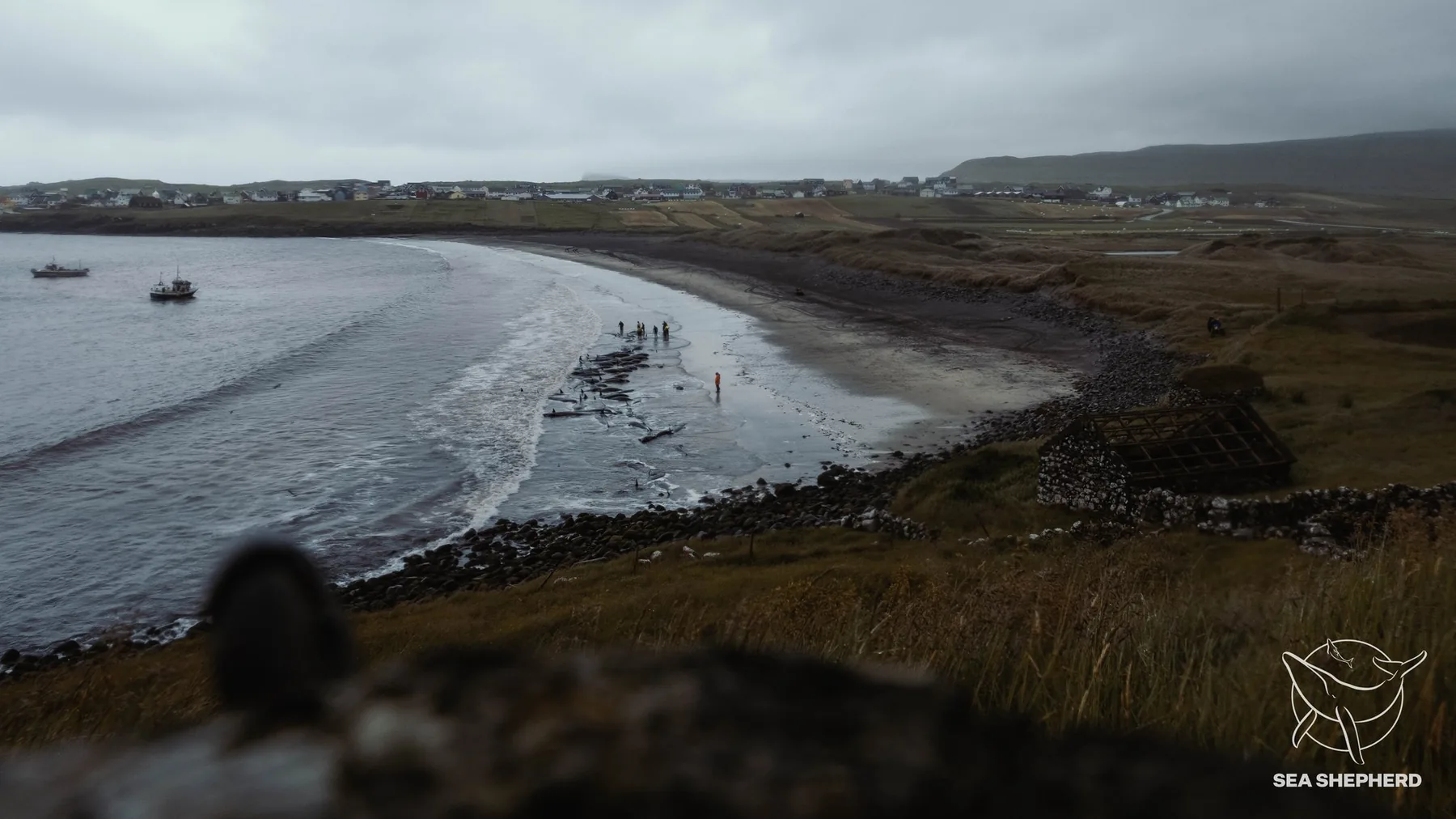
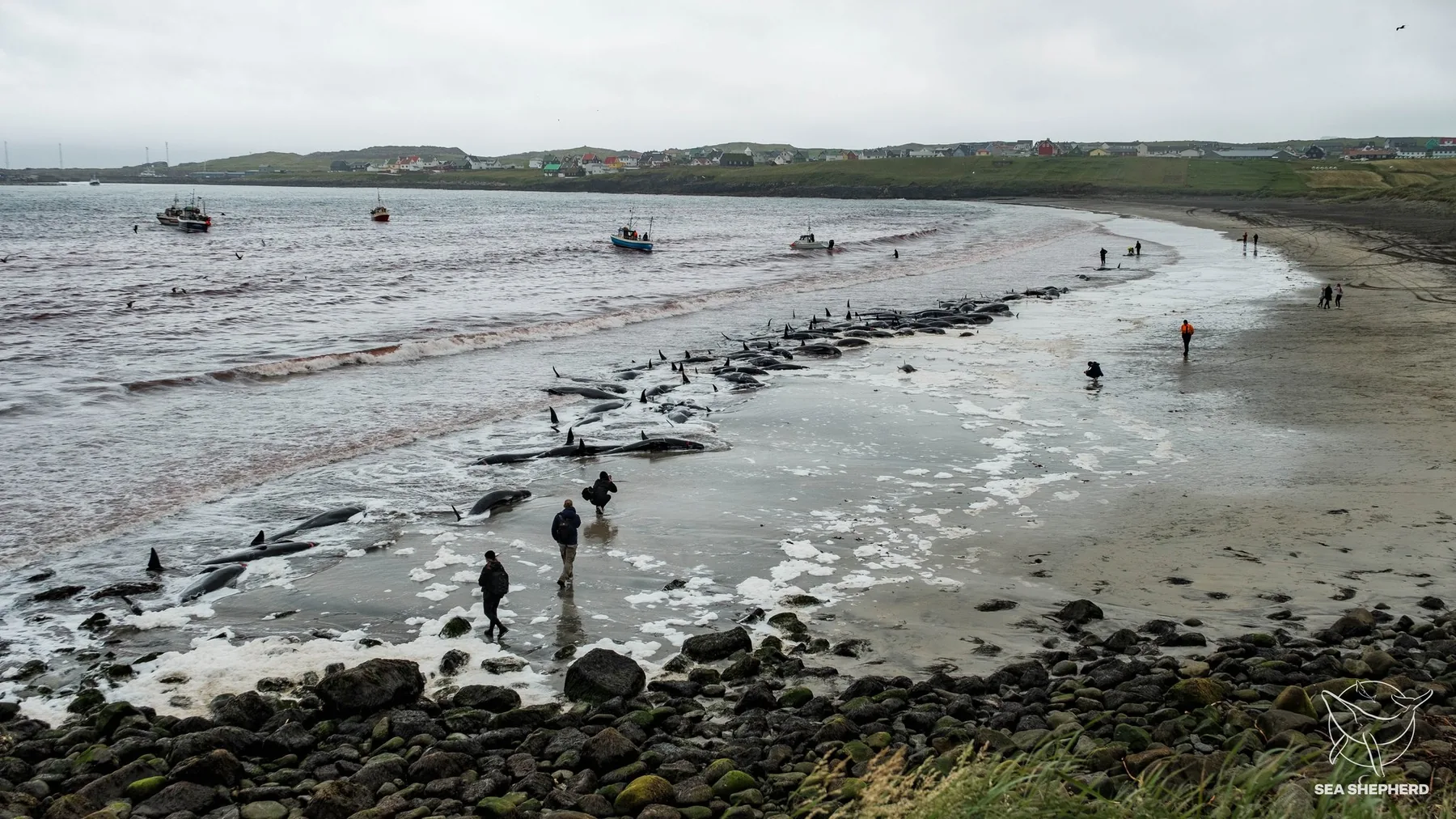
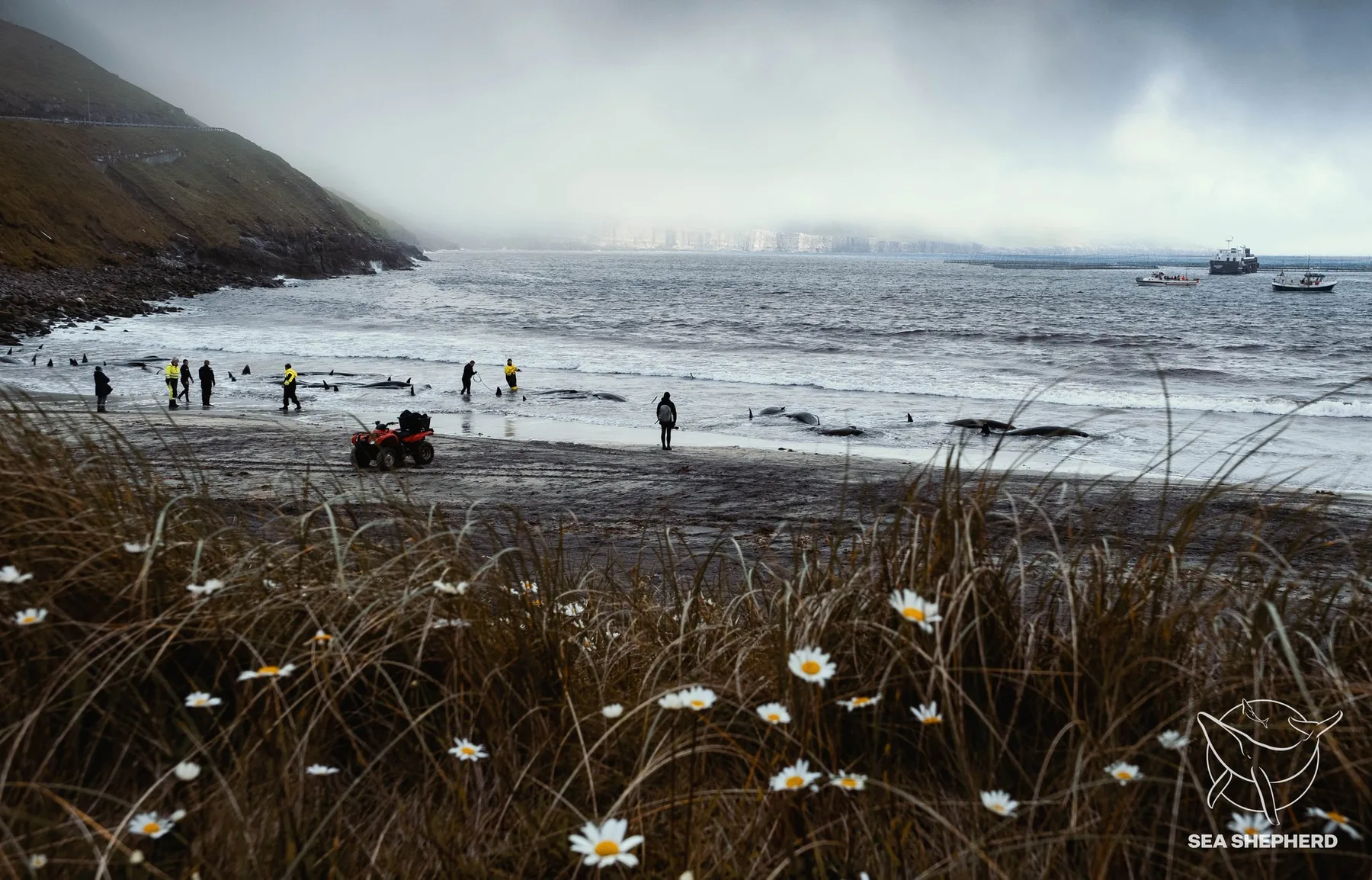
In 2022 I joined Sea Shepherd's Faroe Islands campaign with a camera. The assignment was simple to describe and much harder to experience: document what happens when the grindadráp reaches the shore.
ARRIVAL
A place can be beautiful without being simple.
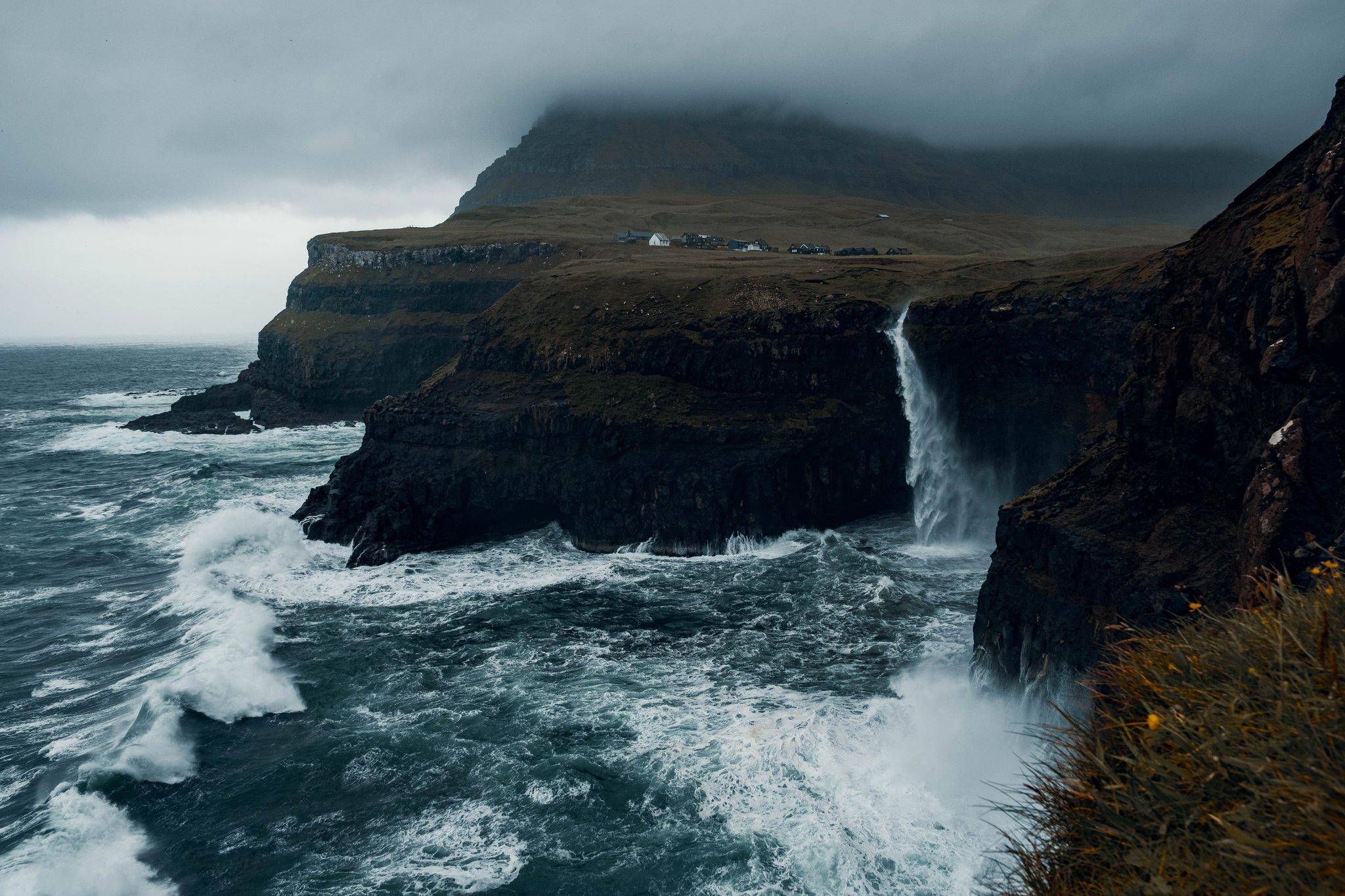
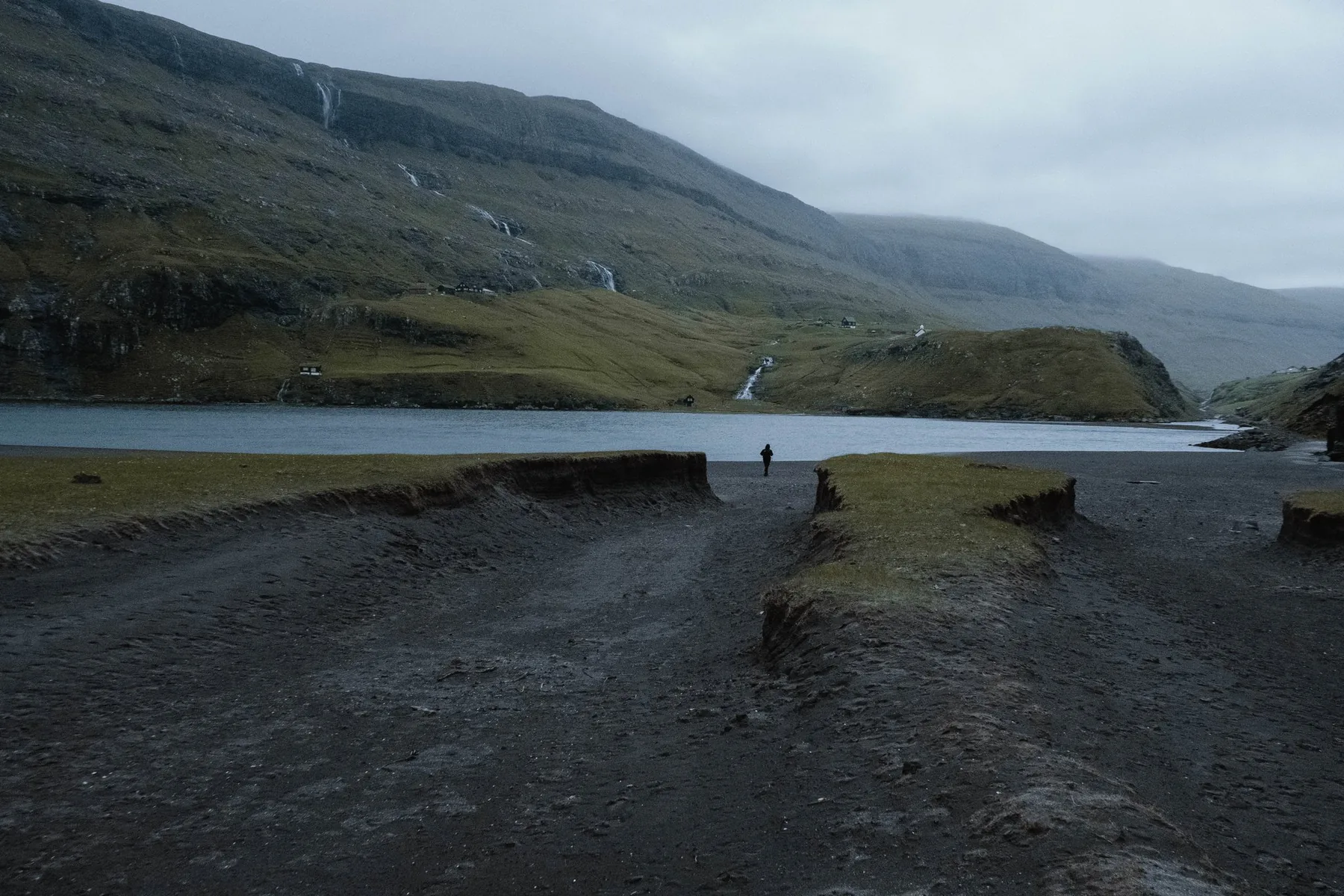
The islands are dramatic before anything happens: cliffs, weather, grass, villages and open water. Human scale feels temporary.
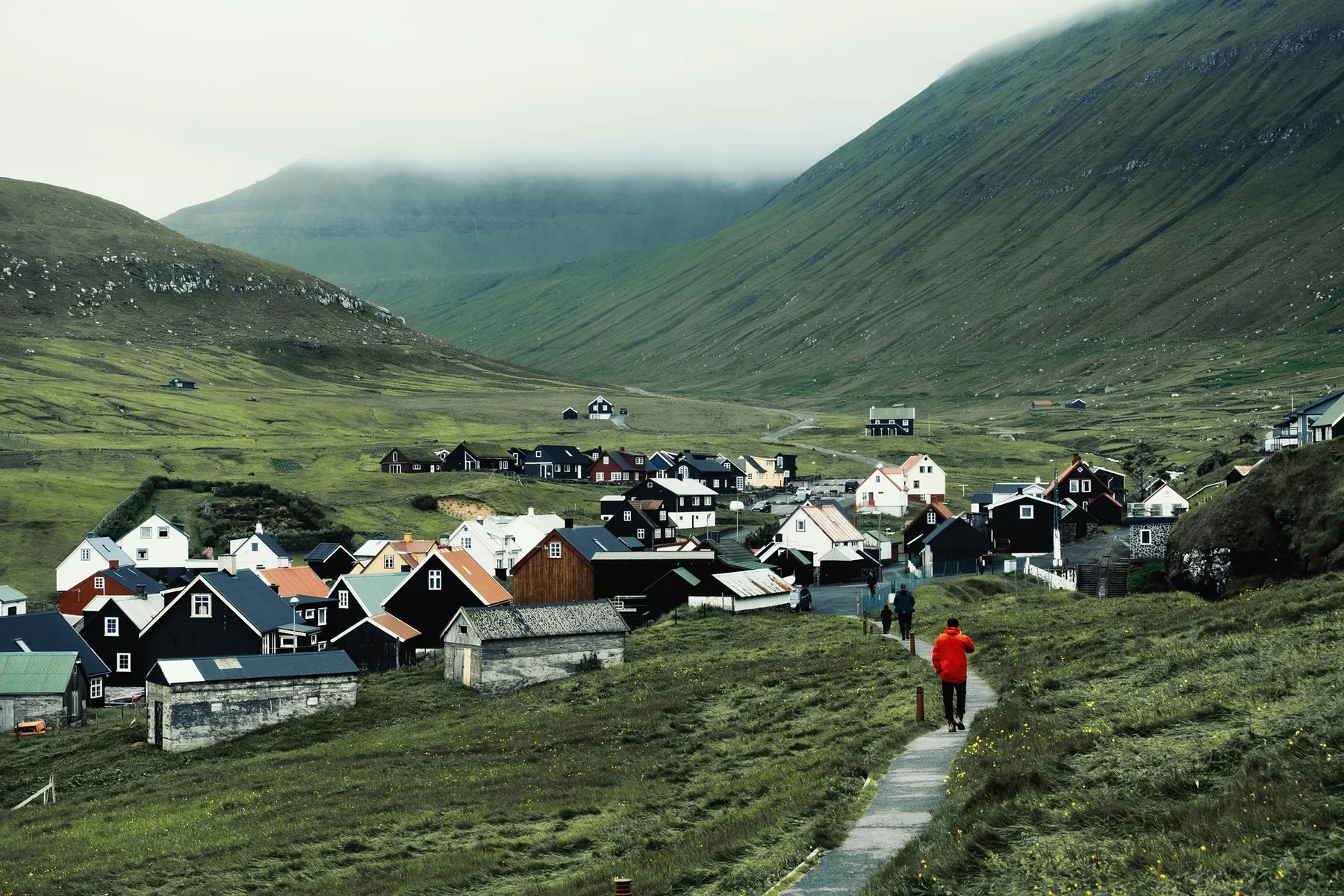
That matters because I do not want to flatten the Faroe Islands into one event. People live here. Traditions have histories. Landscapes hold memory.
And none of that removes the animal from the story.
THE OPERATION
The job was to witness, document and make the event harder to look away from.
Operation Bloody Fjords is Sea Shepherd's campaign against the hunting of pilot whales and dolphins in the Faroe Islands. By 2022, the campaign relied heavily on land-based volunteers and media teams documenting the hunts.
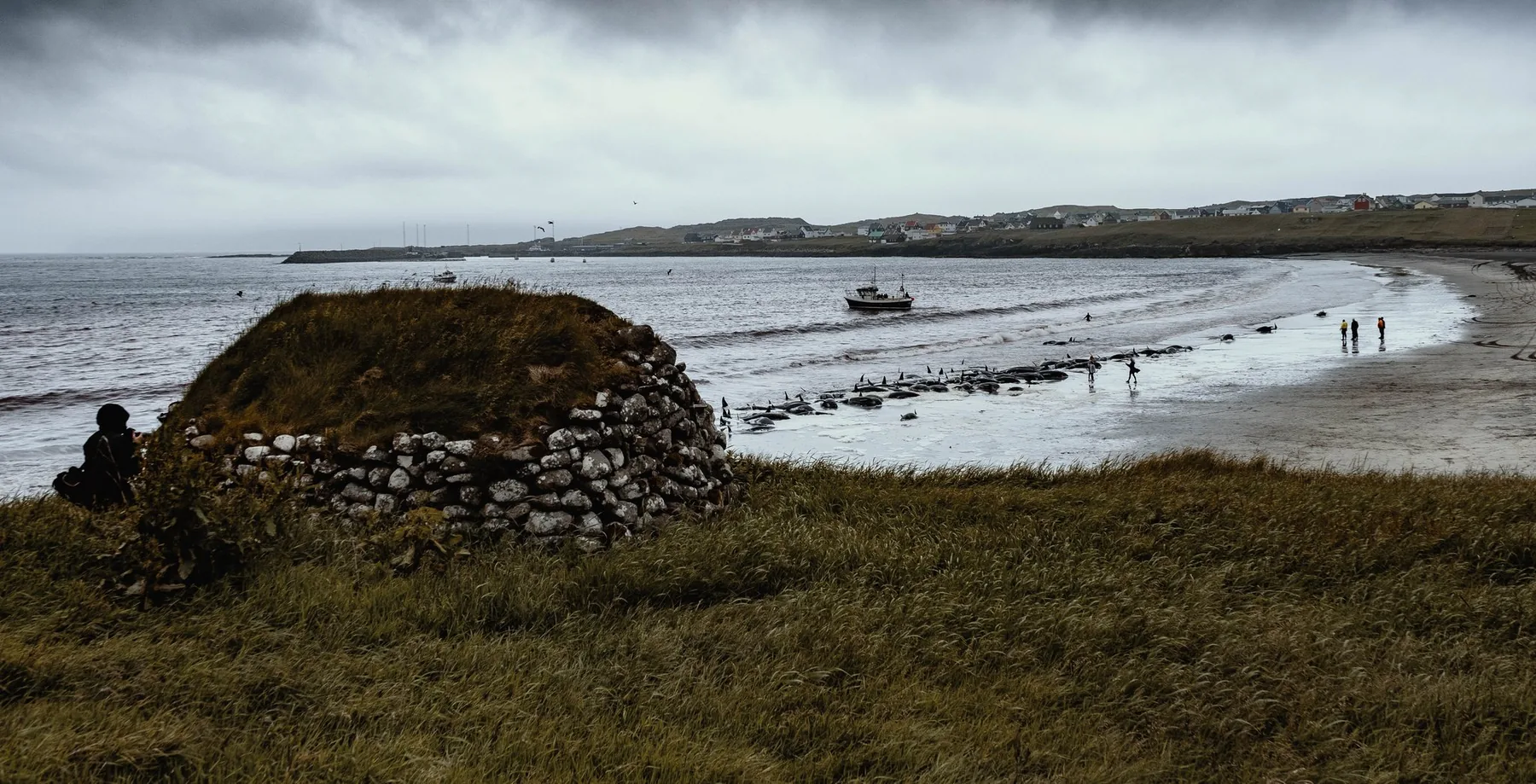
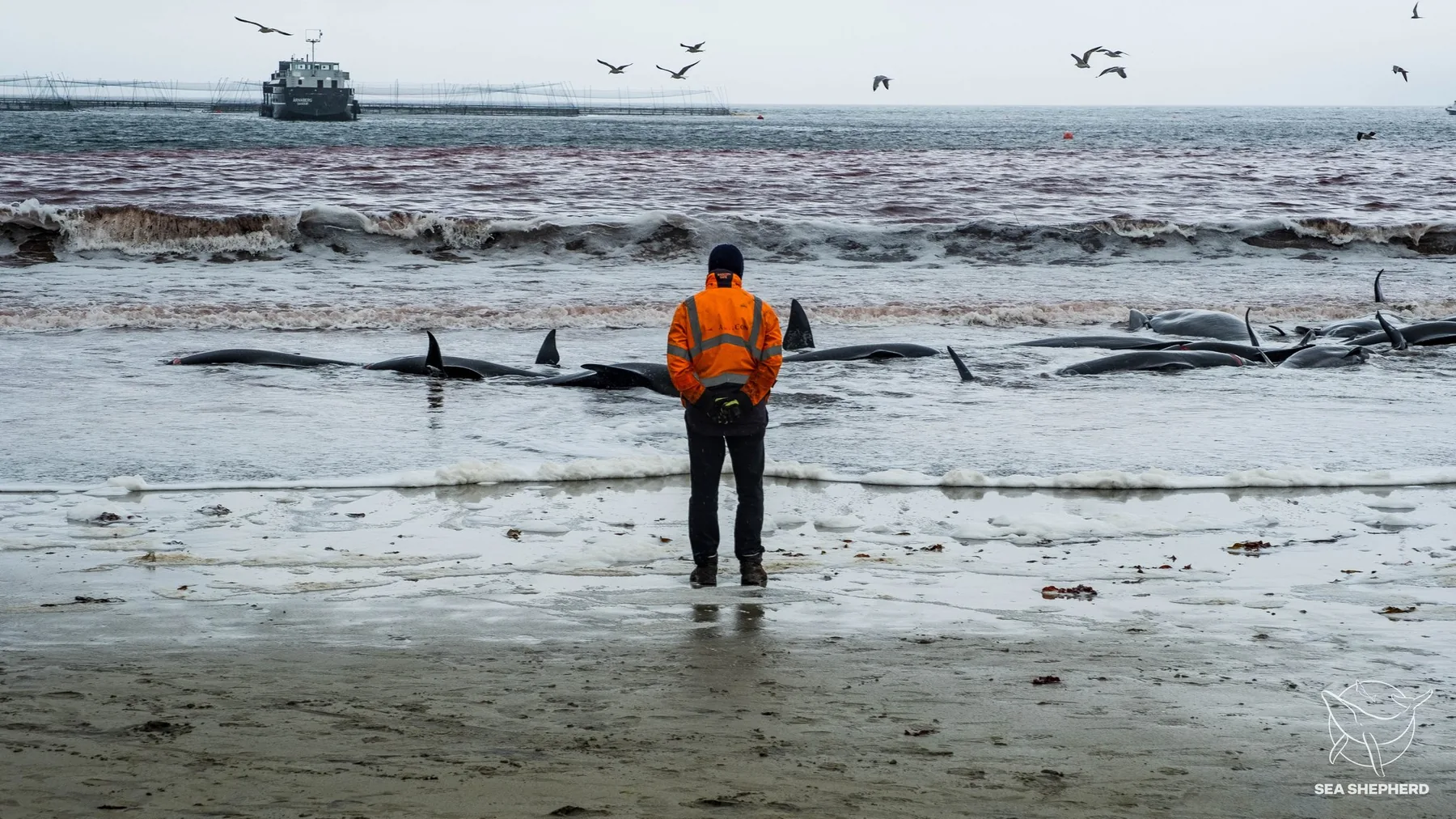
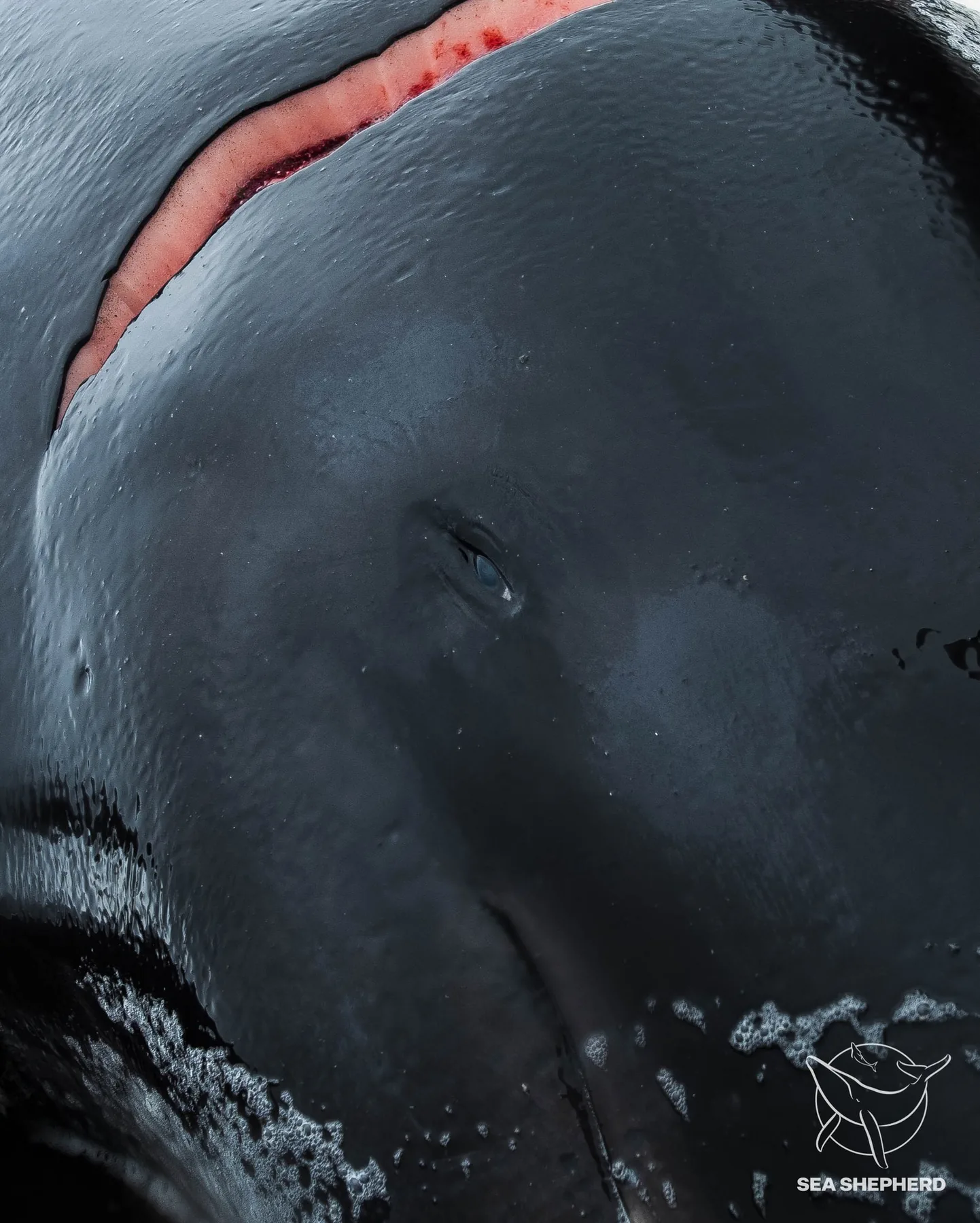
I was there as a photographer. The photographs below are part of that record.
CONTENT NOTE · The following section contains documentary photographs of dead and injured cetaceans.
WHAT IT LEFT ME WITH
Graphic photographs are powerful, but they can also make the violence do all the thinking for us.
My conclusion is clear: I want oceans with more whales in them, not fewer. The harder question is why that matters beyond the individual animal.
WHAT SCIENCE ADDS
A whale is not only an animal in an ocean. It is part of what the ocean does.
Research has shown that marine mammals can recycle nutrients toward sunlit surface waters, where those nutrients can support primary productivity. The process is often described as the whale pump.
More recent work shows that cetaceans can move and recycle nutrient mixtures through marine systems. NOAA also describes several pathways through which whales participate in carbon cycling, including carbon stored in their bodies, whale falls and nutrient transport that can support phytoplankton.
The exact global magnitude is still being studied. I think the important point is simpler: whales are participants in living ocean systems, not isolated objects moving through them.
CAMPAIGN · Sea Shepherd — 2022 Faroe Islands campaign
RESEARCH 01 · Roman & McCarthy — The Whale Pump, PLOS ONE
RESEARCH 02 · Nature Communications — cetaceans and nutrient cycling
RESEARCH 03 · NOAA Fisheries — whales and carbon sequestration
THE RETURN
The landscape, the people and the whale belong in the same frame.
Ecological questions become less abstract when species are understood through relationships — with habitats, food, culture, economics and one another. That does not make the argument easier. It makes it more complete.
FIELD NOTE
See what happened. Then ask what it means.
That is the standard I want for field work on this site: photographs first, context around them, research where claims need it, and room to change my mind when better evidence arrives.